

Six Agents. Four Weeks. Real Production.
Six companies, four weeks of building, six working AI agents — that was the first glueckkanja AI Agent Hackathon. Kiekert, Dr. Oetker, Eckes-Granini, igefa and lila logistik built agents in Copilot Studio that are running in production today. Here is what was built and how the format works.

How many hours does your IT department spend each week on tasks an agent could handle in minutes?
There is a type of process that almost every IT department in German companies knows: someone reads contracts. Someone else sorts requirements into categories. Yet another person answers the same questions about deliveries that someone already answered yesterday. These are not glamorous problems. But they are the ones that collectively cost tens of thousands of hours per year — and they are surprisingly well-suited for AI agents, if you know where to apply the lever.
Six companies did exactly that in February at our office in Offenbach. Kiekert now categorizes R&D requirements using rule-based logic, with a confidence score and a feedback loop. The agent is already running in production. Dr. Oetker built a Contract Review Assistant that checks IT contracts for critical clauses and generates a structured review report for procurement and legal. Eckes-Granini entered with two agents: an onboarding agent that guides new employees through MFA, Office setup, and security policies from their first login, and a logistics agent that answers dispatchers' questions about shipments, rates, and carriers. igefa developed a voice-based hotline agent for internal IT support, connected to JIRA and Confluence. And lila logistik brought perhaps the most unusual project: a use case generator that monitors SharePoint and Exchange to identify automation potential — because the real problem is often not the technology, but that no one in the organization recognizes the right places to automate.
All of this was built in Copilot Studio, with Agent Flows, Dataverse connections and MCP connectors, supported by four of our MVPs. Four weeks of building, alongside regular day-to-day business. Participants had to carve out every hour for it, between tickets, quarterly closes, and operational demands. That six working agents stood at the end says less about the technology than about the teams who built them.
On March 10th at the Microsoft Office Frankfurt came the final test: six presentations, 20 minutes each, judged on business impact, technical depth, and audience applause (yes, that is also on the scoring sheet). Kiekert won because their agent is running in production, built by someone from the business unit — no IT background, no prior experience with Copilot Studio. Dr. Oetker won because contract review is so universal that the jury started thinking about their own IT contracts afterwards. That all six teams built a working agent in four weeks alongside their regular workload — that was ultimately the real news of the day.
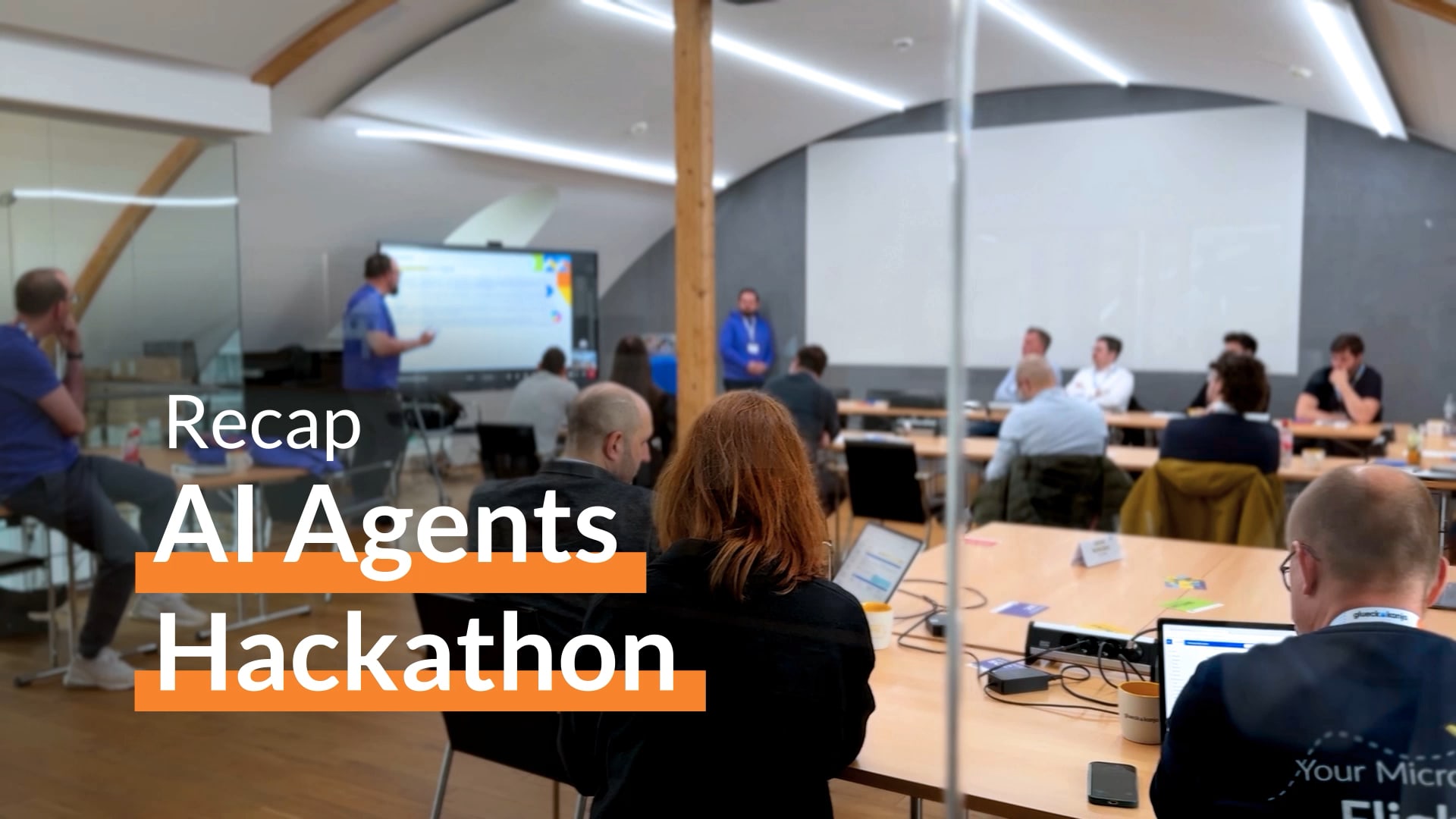
The format is called the glueckkanja AI Agent Hackathon. It grew out of a Microsoft Hackathon in Munich where we participated with Knorr-Bremse. Microsoft then asked us to continue the format with our customers. The idea is simple: companies apply with a concrete process that is currently manual. We sharpen the use case, define the architecture, and build together. For those not ready to jump straight into the hackathon: we also offer workshops to identify use cases and prepare the agent architecture — either as an entry point or as a standalone format.
The next glueckkanja AI Agent Hackathon starts in fall 2026. Registration is open. If you want to identify use cases and prepare your environment beforehand: we are happy to help. Reach out to us.
Thank you to Sylvia and Miriam from Microsoft for their trust in the format. To Kiekert, Dr. Oetker, Eckes-Granini, igefa and lila logistik for their courage and commitment. And to our glueckkanja team for making it happen.
Similar Posts

Who Built These Agents?
E7 bundles E5, Copilot, the Entra Suite and Agent 365. But a license doesn't clean up your tenant. Who is ...

The End of MFA via SMS
Why organizations should move to phishing-resistant and passwordless authentication now.
ClickFix. When the user is the exploit, and how to stop it
ClickFix turns users into their own attacker: a fake CAPTCHA, a copy-paste, and malware runs in memory with nothing on ...
Admin Work and Everyday Work on One Machine? Game Over.
Why one tenant is not enough for CIOs, and why the second one is rarely part of the plan. The ...
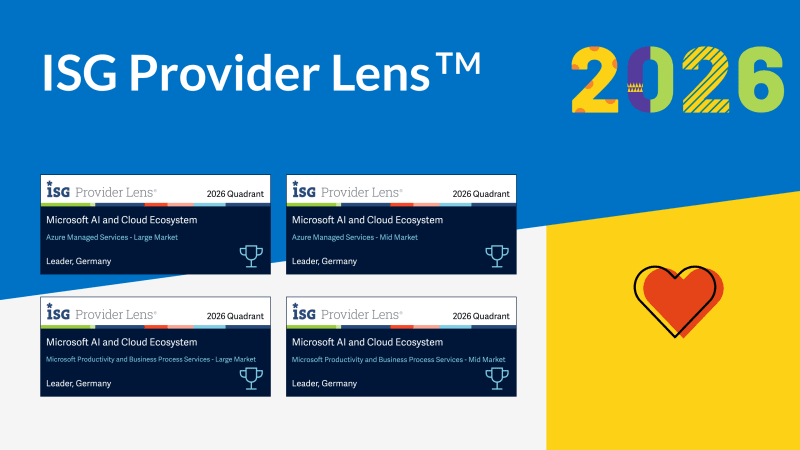
Four Times Leader. glueckkanja in the ISG Study Germany 2026
The ISG Provider Lens® study 2026 positions glueckkanja as a Leader in Germany in four quadrants: Microsoft Productivity and Business ...
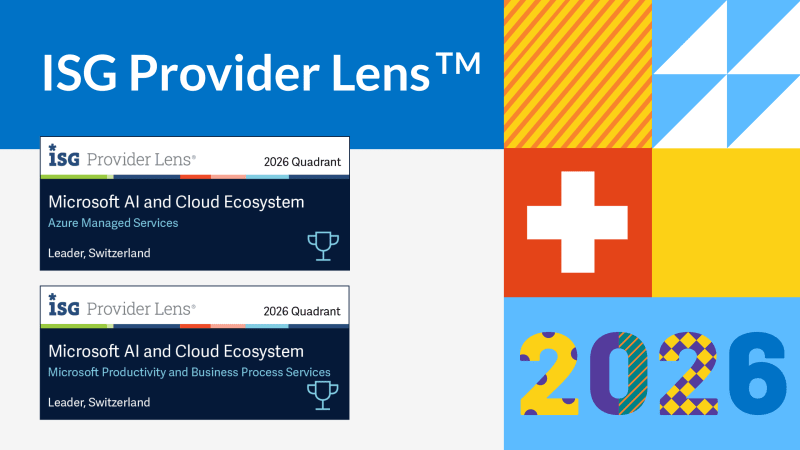
From Rising Star to Leader. glueckkanja in the ISG Study Switzerland 2026
The ISG Provider Lens® study 2026 positions glueckkanja as a Leader in Switzerland in the Microsoft AI and Cloud Ecosystem ...

Outbreak. What the OpenAI/Hugging Face incident reveals and what it doesn't
An AI agent breaks out of its test environment, finds a zero-day, and hacks another company. Sounds like a movie ...
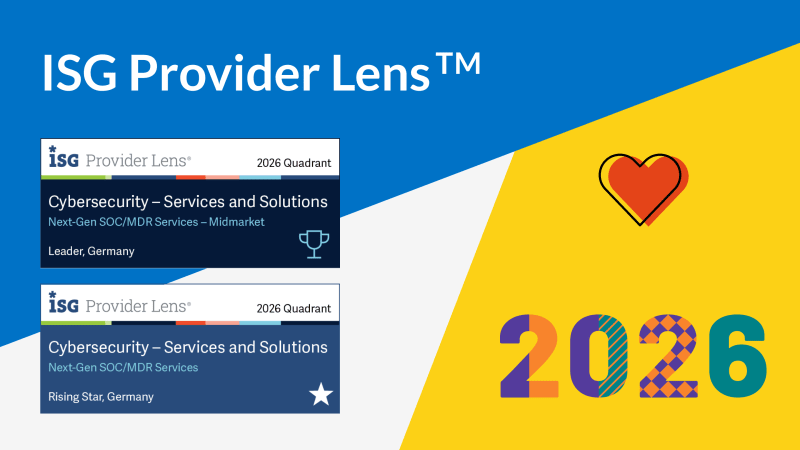
Leader and Rising Star. glueckkanja in the ISG Cybersecurity Study 2026
The ISG Provider Lens® study Cybersecurity 2026 names glueckkanja a Leader in the Next-Gen SOC/MDR Services (Midmarket) quadrant. In the ...
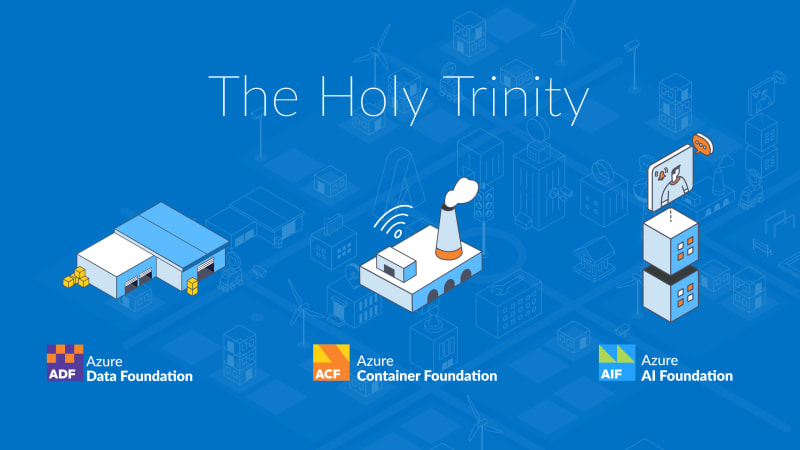
The Holy Trinity: What AI Actually Needs to Get to Work
A manufacturing company wants to know which of its 14,000 SKUs actually turn a profit. The answer sits in three ...
Contract Signed: Here's How Your Onboarding Works
Your contract is signed, the first big step is done. But what happens now? We take you behind the scenes ...
Microsoft Frontier Partner: we are among the few
Microsoft has recently introduced a new top-tier recognition within its AI Cloud Partner Program: the Frontier Partner Badge. It is ...
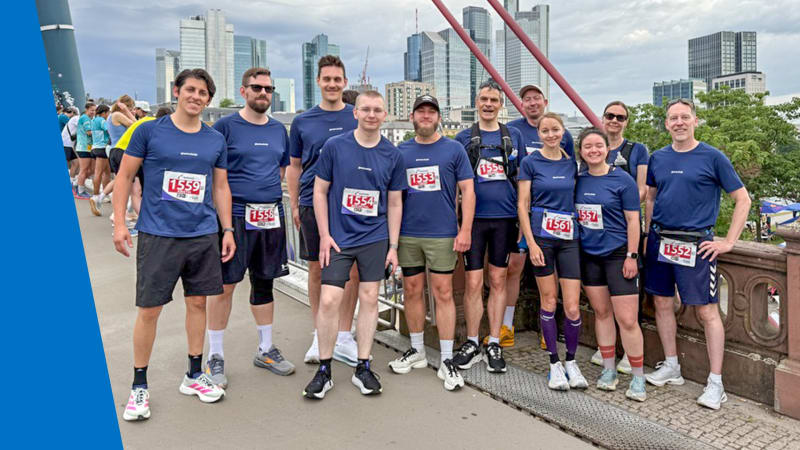
160 Kilometers for a Good Cause
Eleven colleagues, 16 laps, 160 kilometers, a thunderstorm, and a podium finish: glueckkanja took part in the Frankfurter Runden 2026 ...

Anatomy of an Unknown AMOS Stealer: From Alert to Immunity in Hours
A previously undocumented AMOS stealer variant compromised a macOS endpoint. No known hashes, no C2 data in any public database. ...
Why Edge Should Be Your Only Corporate Browser
The browser nobody satisfies chose became the one everybody manages. Most companies never made a deliberate decision for Chrome; it ...
No Malware Needed. Just One Admin Account.
On March 11, 2026, Handala wiped devices across 79 countries using nothing but a compromised Intune admin account. No malware, ...